Language Learning - Video Games
Can You Learn Languages Through Video Games?
Introduction
(My Tierlist is at the end of the post)
For years, I’ve seen people claim that video games are a waste of time. As someone who has spent thousands of hours gaming, I completely disagree. Games helped me improve my English, made me comfortable communicating in Spanish and even became part of my Russian immersion. They weren’t the only reason I improved, but they made the process enjoyable enough that I kept coming back every day.
Games didn’t teach me languages. They created opportunities.
My Journey
I never intentionally started using games as a language learning tool. It happened naturally. English became the language of the internet and most of the games I played. Later, I joined a Spanish-speaking World of Warcraft guild and suddenly I wasn’t “studying” Spanish anymore - I was using it to raid, joke around and make friends. Russian came much later through TV shows and eventually story-driven games that reinforced everything I had already learned.
Games don’t teach languages
This is probably the biggest misconception. Installing a game in Spanish won’t magically make you fluent. Games don’t replace studying, reading or conversations. What they do incredibly well is create a reason to understand what’s happening. Curiosity becomes stronger than discipline.
The game isn’t your teacher. Curiosity is.
Motivation
Most people quit language learning because they lose motivation. Nobody quits because they enjoyed themselves too much.
If a game keeps you immersed for three hours without noticing the time, you’ve just spent three hours surrounded by your target language without forcing yourself to study.
The best learning method is the one you don’t quit.

Context
Vocabulary learned in isolation disappears quickly.
Vocabulary learned during meaningful situations sticks.
When you repeatedly buy equipment from the same merchant or complete quests for the same character, words slowly stop feeling like foreign vocabulary and start becoming part of the world you’re exploring.
Emotional Memory
Our brains remember emotions better than definitions.
You’re much more likely to remember the word a guard shouted before attacking you than a random flashcard you reviewed last week.
Games naturally connect words to experiences, and experiences are memorable.
Repetition
One of the biggest strengths of games is repetition that never feels repetitive.
You’ll hear words like “quest”, “merchant”, “inventory”, “weapon” or “danger” hundreds of times.
Unlike flashcards, you rarely think, “Not this word again.”
Flow State
One of the reasons games work so well is because they create flow.
You stop thinking about studying.
You stop translating.
You stop counting hours.
You’re simply playing.
Ironically, that’s often when the best learning happens.
Time flies when language becomes part of the adventure instead of the goal.
MMORPGs
World of Warcraft completely changed how I viewed language learning.
Instead of consuming Spanish, I started living in Spanish.
Guild chat, Discord calls, dungeon strategies, random conversations after raids—language stopped being an academic subject and became a tool for communication.
Languages become social instead of academic.
Story-driven RPGs
Games like Gothic (Now Gothic 1 Remake -> Much recommended!), Kingdom Come: Deliverance II, Cyberpunk or The Witcher provide something textbooks never can.
You genuinely care about the story.
You want to know what the characters are saying.
That emotional investment makes vocabulary much easier to remember than reading random example sentences.
Stories make vocabulary memorable.
Voice Chat Games
Games like Phasmophobia force you to communicate quickly.
There isn’t enough time to build perfect sentences or worry about grammar.
You simply say what needs to be said.
In many ways, that’s exactly how real conversations work.
Competitive Games
Competitive games often get dismissed for language learning, but I think they’re underrated.
Counter-Strike won’t teach you advanced grammar, but it will expose you to real accents, slang, short commands and natural conversations.
Sometimes hearing “Behind you!”, “Rush B!” or “Nice try!” thousands of times is exactly the kind of repetition your brain needs.
Your Language Level Matters
One mistake I made was trying to use content that was simply too difficult.
If you understand almost nothing, the game becomes frustrating.
If you understand everything, there isn’t much left to learn.
The sweet spot is somewhere in between.
The best games are the ones where you understand enough to stay immersed but not enough to stop learning.
Your Playstyle Matters
Two people can play exactly the same game and learn completely different amounts.
One player skips every dialogue.
The other talks to every NPC, reads books, explores side quests and actually pays attention to what’s being said.
The game isn’t the deciding factor.
Your curiosity is.
Voice Chat Is a Multiplier
If your game includes voice communication, use it.
Speaking under pressure is one of the fastest ways to stop translating in your head.
Nobody expects perfect grammar.
They expect communication.
Replaying Games
This is something I rarely see people mention.
Your second playthrough can actually be more valuable than your first.
You already know the quests.
You already know the mechanics.
Your brain no longer needs to figure out what to do.
Instead, it can focus almost entirely on the language.
Common Mistakes
Trying to translate every unknown word.
Choosing a game you don’t actually enjoy.
Constantly pausing to use Google Translate.
Treating gaming like homework.
All of these kill immersion and immersion is where games shine.
Final Thoughts
Video games won’t replace books, podcasts or conversations.
They shouldn’t.
But they can transform language exposure from something you have to do into something you genuinely look forward to.
And that’s probably their biggest strength.
A game doesn’t need to be educational to teach you something. It just needs to make you care.
My Games Tierlist
S Tier
World of Warcraft: Classic (I recommend Classic -> Slower pace)

Language: Spanish (also works for English)
Best for:
- Speaking
- Listening
- Writing
- Making friends
- Guild chat
- Discord voice calls
- Raids
- Everyday conversations
- Slang
- Teamwork
If I had to recommend one game for learning a language, it would be World of Warcraft. No other game forced me to communicate with native speakers every single day.
Gothic 1 Remake
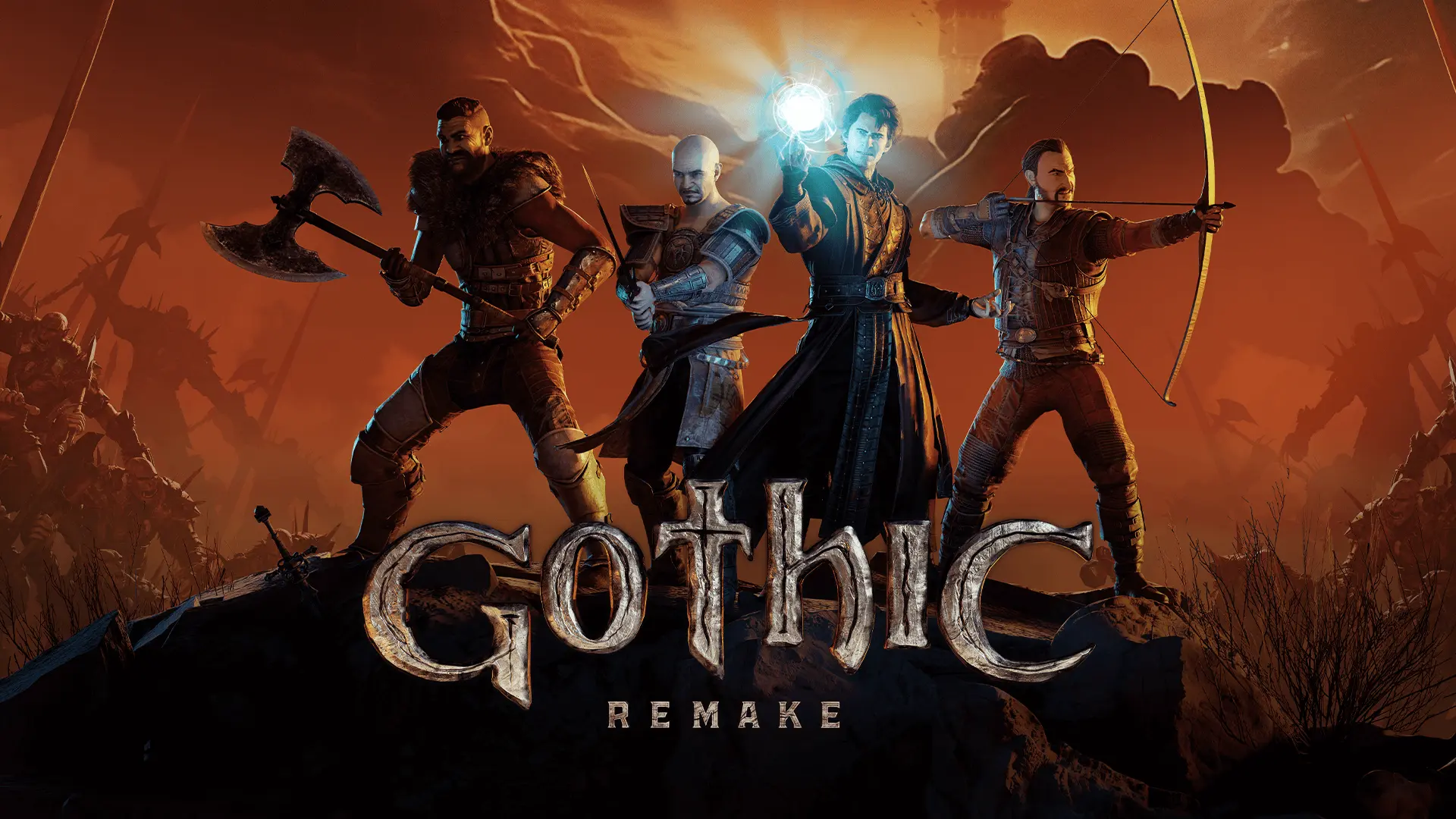
Language: Russian
Best for:
- Reading
- Listening
- Vocabulary
- Memorable NPCs
- Repeated dialogue
- Simple but effective vocabulary
- Easy to replay
Gothic doesn’t overwhelm you with dialogue. Instead, it repeats useful vocabulary so often that words eventually become familiar without effort.
Kingdom Come: Deliverance II

Language: Spanish
Best for:
- Listening
- Reading
- Story immersion
- Fantastic dialogue
- Long conversations
- Rich vocabulary
A Tier
Phasmophobia

Language: Any
Best for:
- Speaking
- Listening
- Constant voice communication
- Short natural sentences
- Pressure
- Teamwork
Nobody cares about perfect grammar when the ghost is chasing you.
Cyberpunk 2077
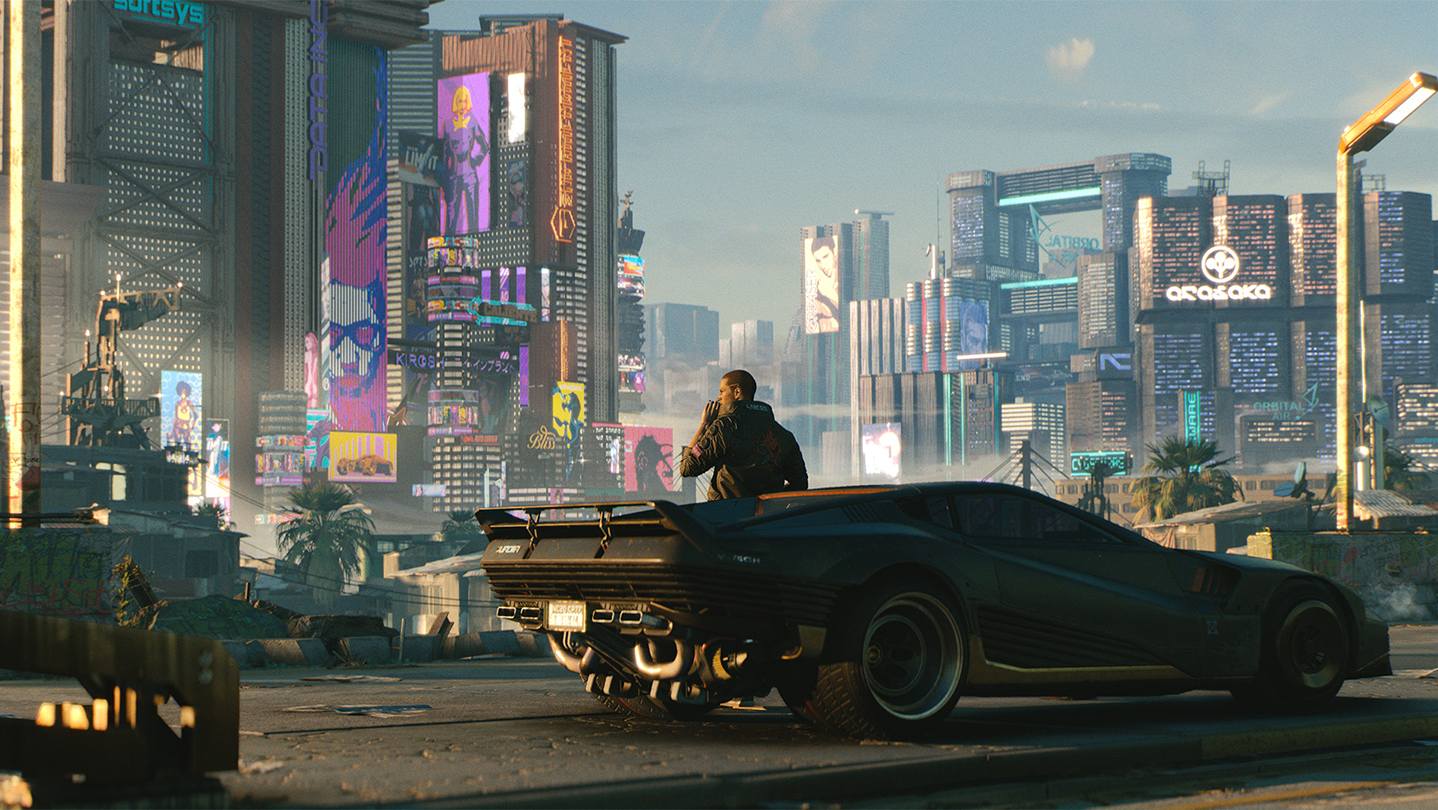
Language: Spanish or Russian
Best for:
- Modern vocabulary
- Listening
- Everyday conversations
- Modern slang
- Great voice acting
- Recommended if you’re intermediate+
The Witcher 3

Language: Russian
Best for:
- Amazing dialogue
- Amazing world
- Slighly harder vocabulary
- Great once you are comfortable with the lanugage
B Tier
Counter-Strike 2
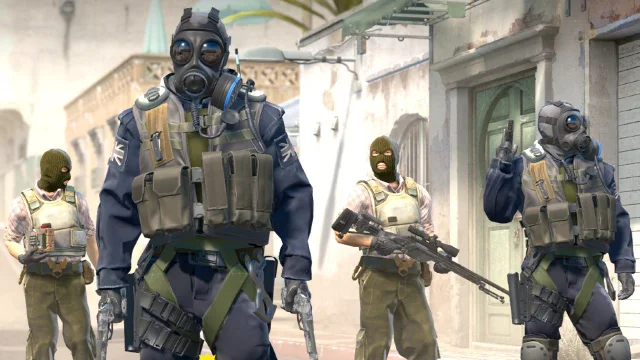
Language: Russian / Any
Best for:
- Commands
- Slang
- Real accents
- Fast reactions
- Insults :D
C Tier
Games that become incredible if you actually read everything
Examples:
- Skyrim
- Baldur’s Gate 3
- Fallout
- Palworld